
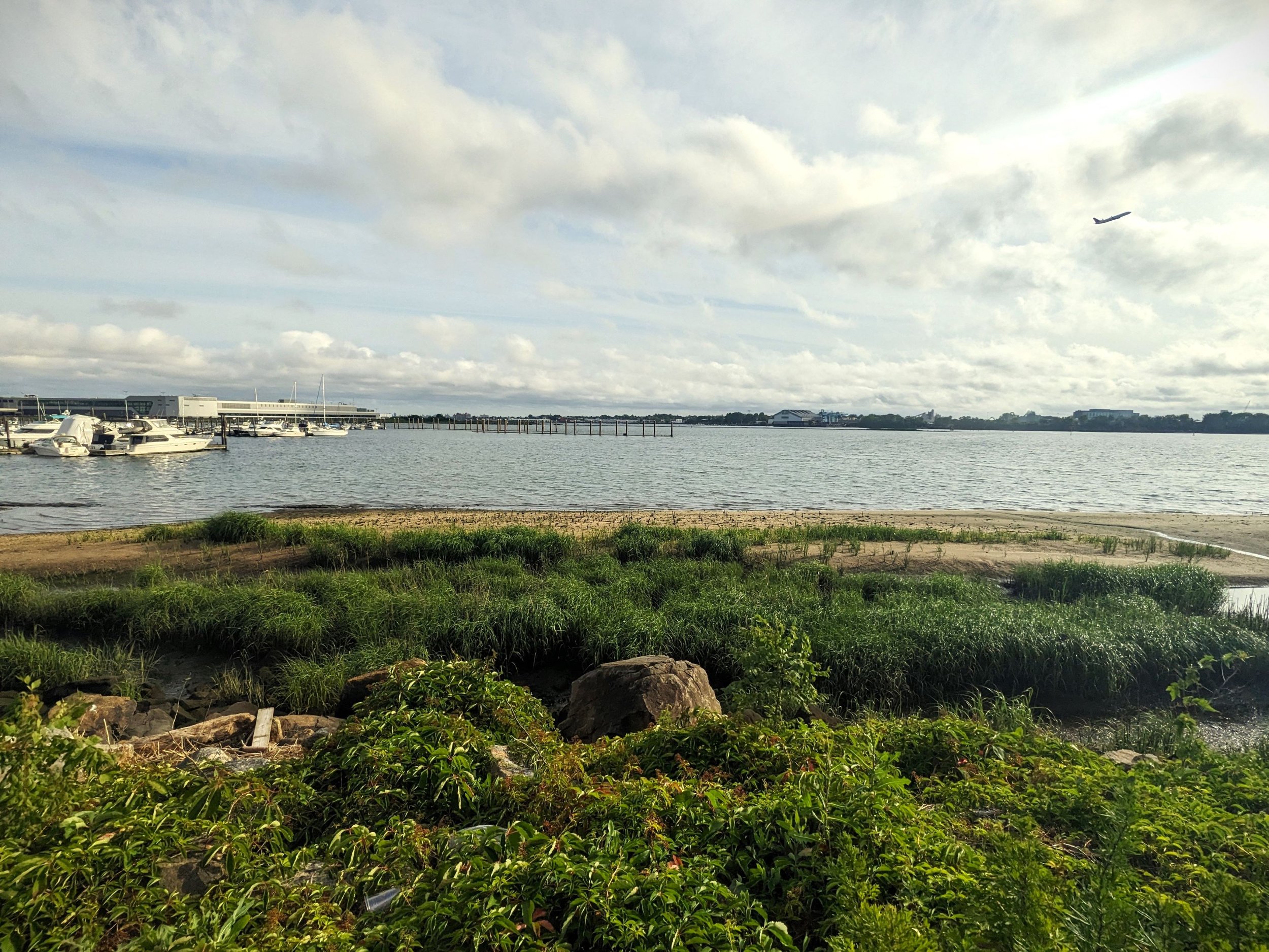
STATE OF FLUSHING BAY
state of flushing bay report
Since our beginnings, Guardians of Flushing Bay has been collecting data on the health of Flushing Bay and Flushing Creek—together, Flushing Waterways.
After years of stewardship and advocacy, we have finally put together a report that gives you a snapshot into Flushing Waterways’ social-ecological health and resilience story.
You can read the report now!
State of the Bay is a study of Flushing Waterways’ conditions and a comprehensive review of the data we have been collecting over the years. We are hoping the report can:
Equip folks with synthesized data.
Be used as a tool by local park and water users, community members and residents, students and organizers, and many others to advocate for an environmentally just future for Flushing Waterways—one that includes all of our neighbors, human and nonhuman alike.
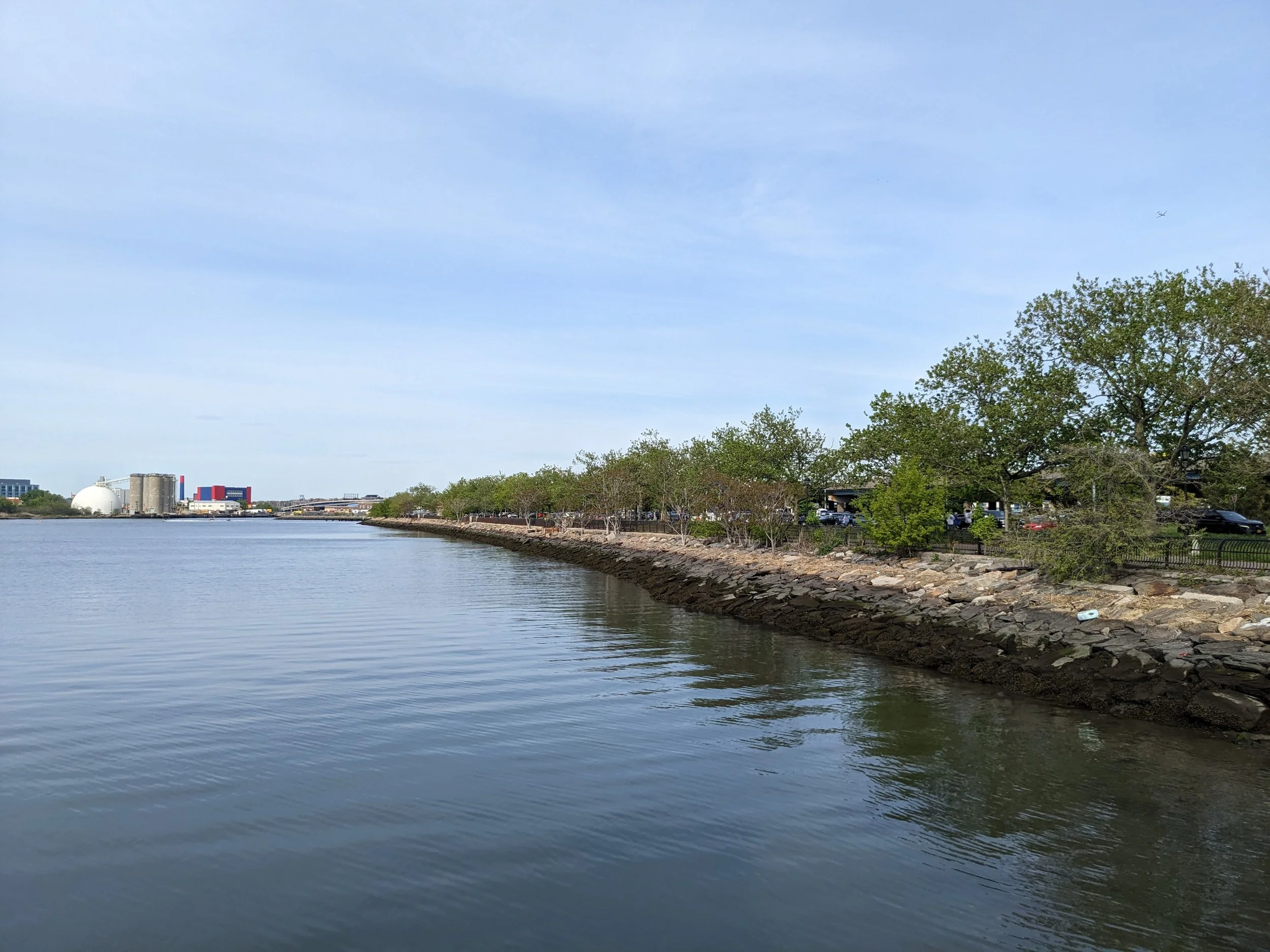
STUDY BACKGROUND
Our genesis story captures our central vision: an empowered and activated network of stewards on the frontline of pollution issues and equipped with community science data, realizing a healthy, equitably accessible, and environmentally just Flushing Waterways.
Since 2012, GoFB has gathered a wide range of community science data to support related organizing efforts. This includes:
14 years of enterococcal data collected through the citywide Community Water Quality Testing Program
4 years of water quality data as part of Save the Sound’s Unified Water Study
10+ years of biodiversity sightings gathered through iNaturalist
A comprehensive social assessment of visitors to our waterways
A survey of our GoFB community network
Green infrastructure stewardship metrics gathered by our Sidewalk Stewardship team.
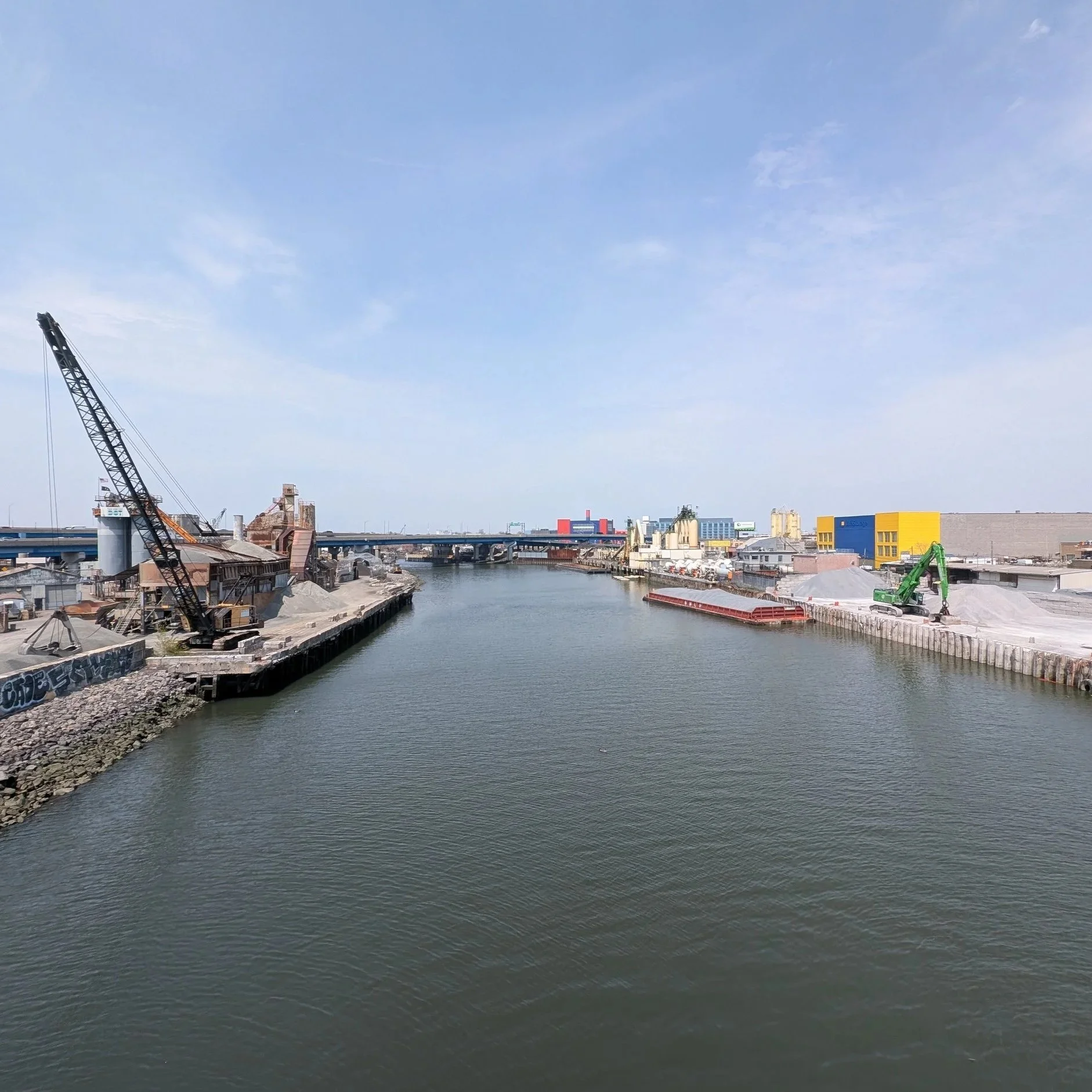
Taken together, these datasets offer a social-ecological snapshot of the 6-mile Flushing Waterways system, starting at its source at the base of Flushing Meadows Corona Park—the city’s fourth largest and fourth most visited park, but also one of the most flood-prone and underinvested parks—and moving northward before emptying into Flushing Bay.
When understood alongside publicly accessible geospatial and historical datasets, a clearer picture begins to form and shows us how these environmental challenges interplay with Flushing Waterways’ recovering ecosystems and diverse communities. Looking at these datasets through the lens of prospective future development projects—several of which increase pressure on aging infrastructure and affordability—we grasp a more complete story of Flushing Waterways’ social-ecological resilience, both in its present and its potential futures.
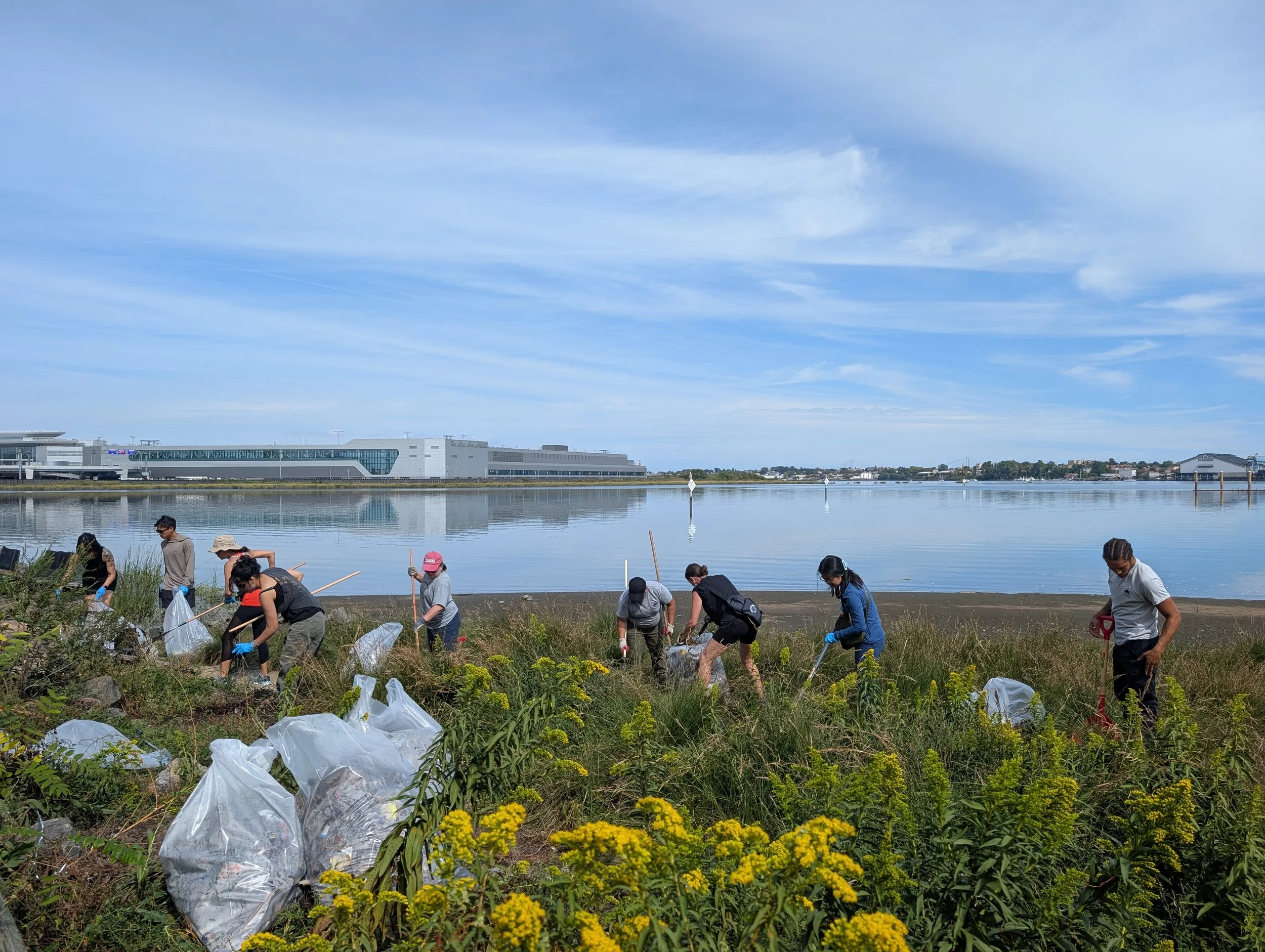
KEY FINDINGS
Water Health
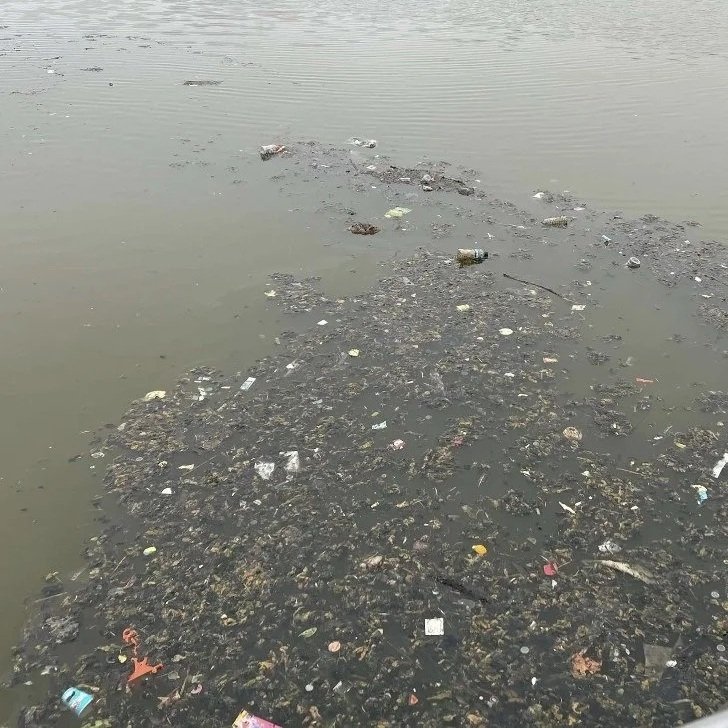
The data revealed consistently poor environmental conditions across all measured indicators, pointing to a body of water under chronic stress. Water quality repeatedly falls short of state standards for acceptable fecal coliform levels a bacteria found in poop, and trash pollution is widespread and persistent. Marine life reveals a simplified ecosystem, dominated by tolerant species, with low biodiversity.
Ecological Health
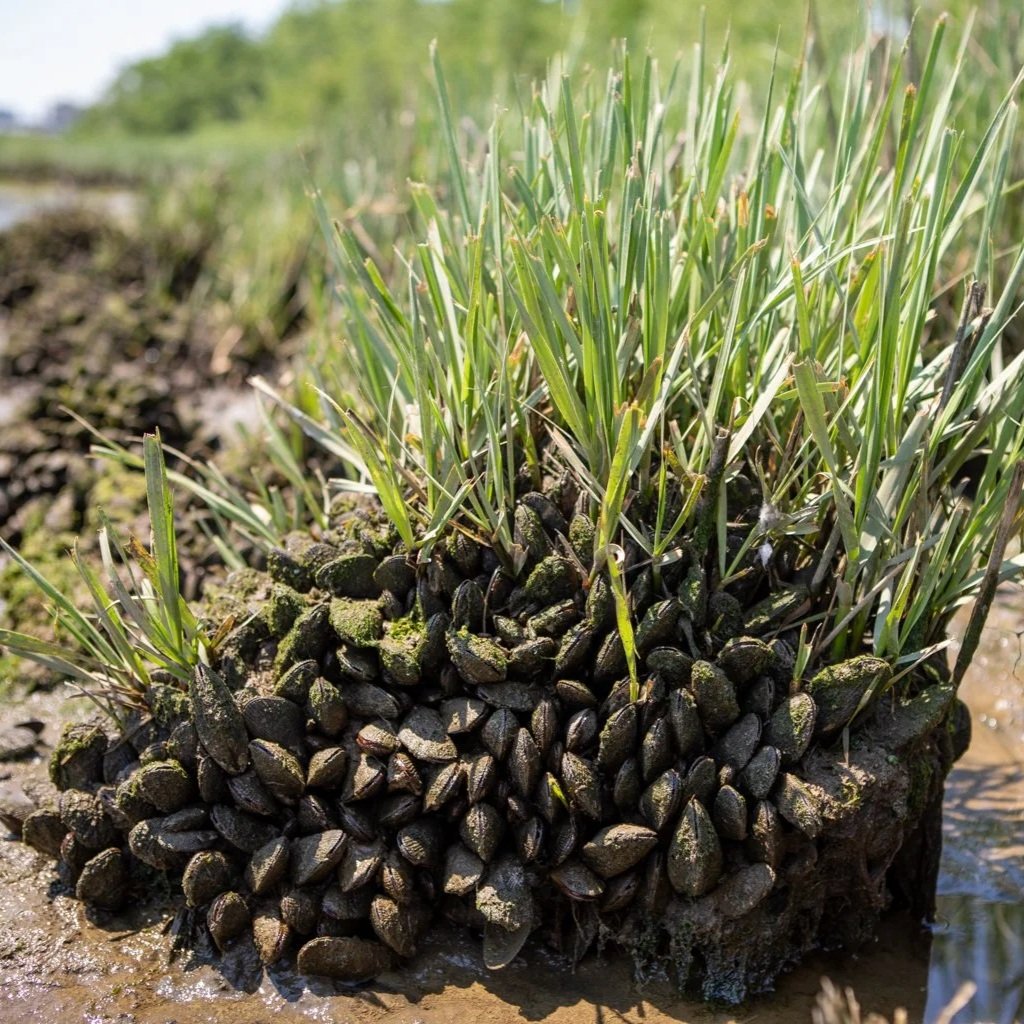
Ecological Health received a low score where data revealed a wetland landscape under pressure. Ecological systems remain fragmented, deteriorated, and impacted by local pollution sources. Species diversity is limited and relies on highly adaptable, disturbance-tolerant organisms.
Human Health and Justice
The low score indicates that neighborhoods surrounding Flushing Waterways are experiencing environmental injustices. Safe access to the water is limited and many access points are challenging to reach. Nearby communities fall within a floodplain and are vulnerable to flooding. Residents are exposed to poor air quality and more vulnerable to extreme heat.
Keep in Touch
The best way to stay up to date on Guardians’ events and advocacy work is to sign up for our newsletter.