

GET TO KNOW YOUR WATERWAY
FLUSHING WATERWAYS SOCIAL ASSESSMENT
To care for Flushing Waterways, we must understand how residents and visitors use and value its green and blue spaces.
With technical guidance from the US Forest Service’s NYC Urban Field Station, GoFB conducted the 2024 Flushing Waterways Social Assessment which studied how people use and value green and blue spaces along our waterway, and created a toolkit to democratize the methodology. The study resulted in recommendations for ways to better connect local residents to the waterway and opportunities for community-centered restoration.
Now you can use the toolkit to conduct your own research!
The Social Assessment Toolkit is a participatory research approach that can help you explore your green and blue spaces, view familiar landscapes in new ways, and organize your community. It can be used by stewardship and community-based groups, researchers, advocates, and more.
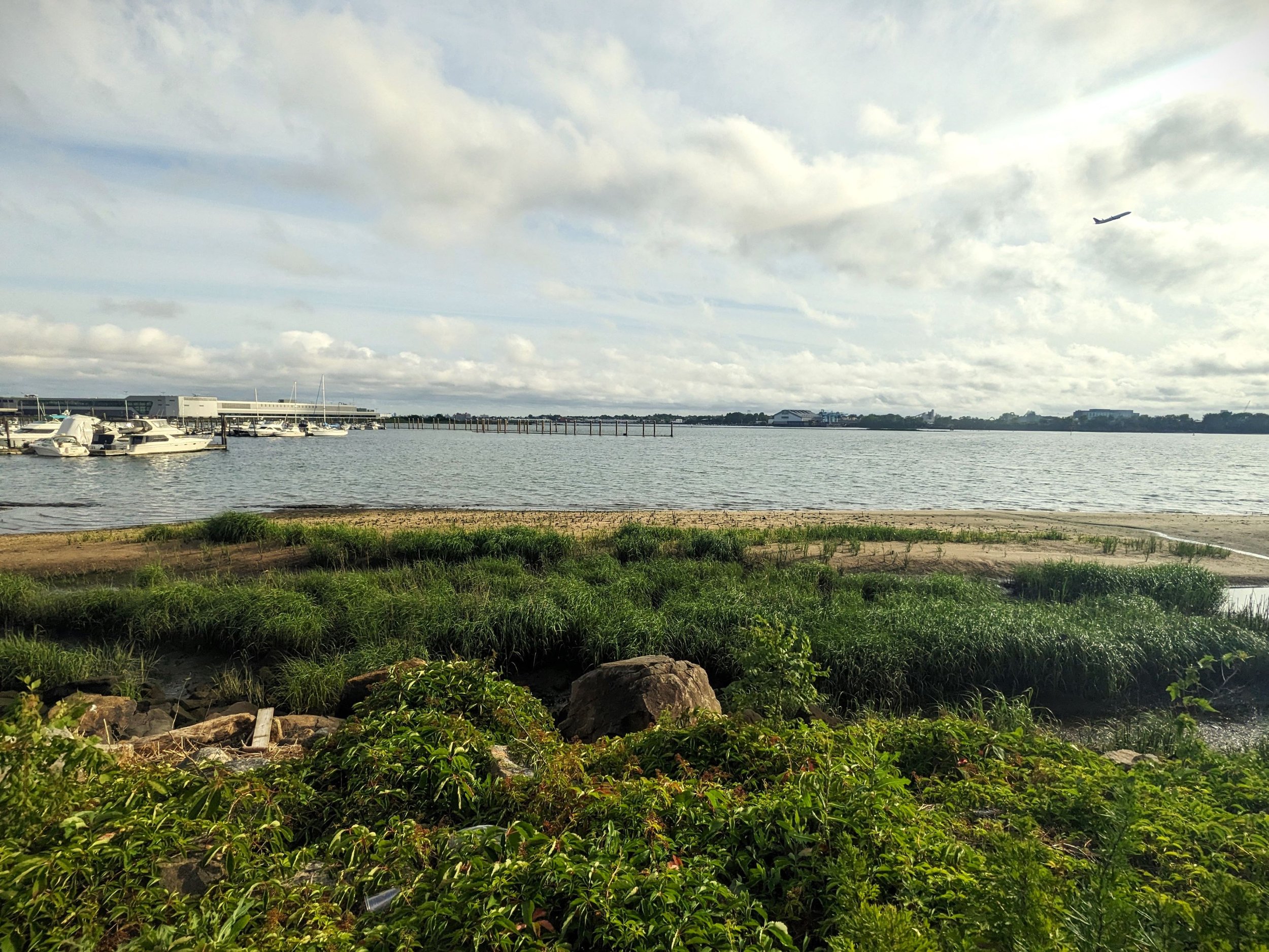
STUDY BACKGROUND
In 2022, GoFB, with guidance from the US Forest Service’s NYC Urban Field Station, conducted a Community Network Survey of over 90 people in GoFB’s larger stewardship and volunteer network. The survey illustrated who GoFB was effectively reaching, who we were leaving out, motivations for being in our network, and top priorities for GoFB’s work. The findings informed GoFB’s 2024-2027 strategic plan.
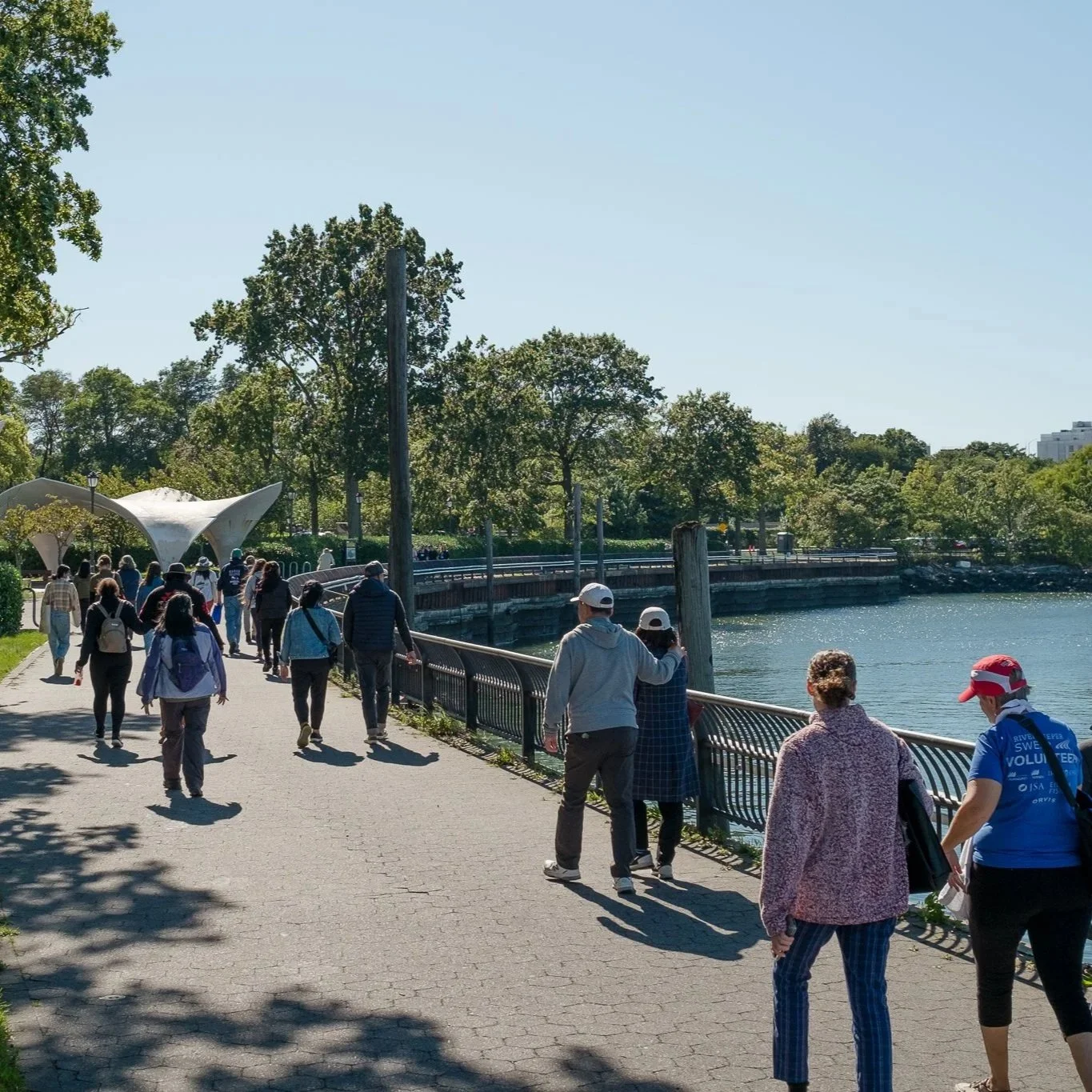
In 2024, building from the Community Network Survey, GoFB conducted the Flushing Waterways Social Assessment, which included over 7,500 observations, nearly 100 interviews, and 2 focus groups of users of Flushing Meadows Corona Park and Flushing Waterways. Where the Community Network Survey sought to understand stewards in GoFB’s network, the Social Assessment was a comprehensive survey of how park and water users use and value their green and blue spaces.

KEY FINDINGS
Demographics
Albeit limited, the demographic data of Flushing Waterways park and water users showed that they are more reflective of local demographics, which are highly ethnically and socioeconomically diverse.
Flushing Waterways as a disjointed waterbody
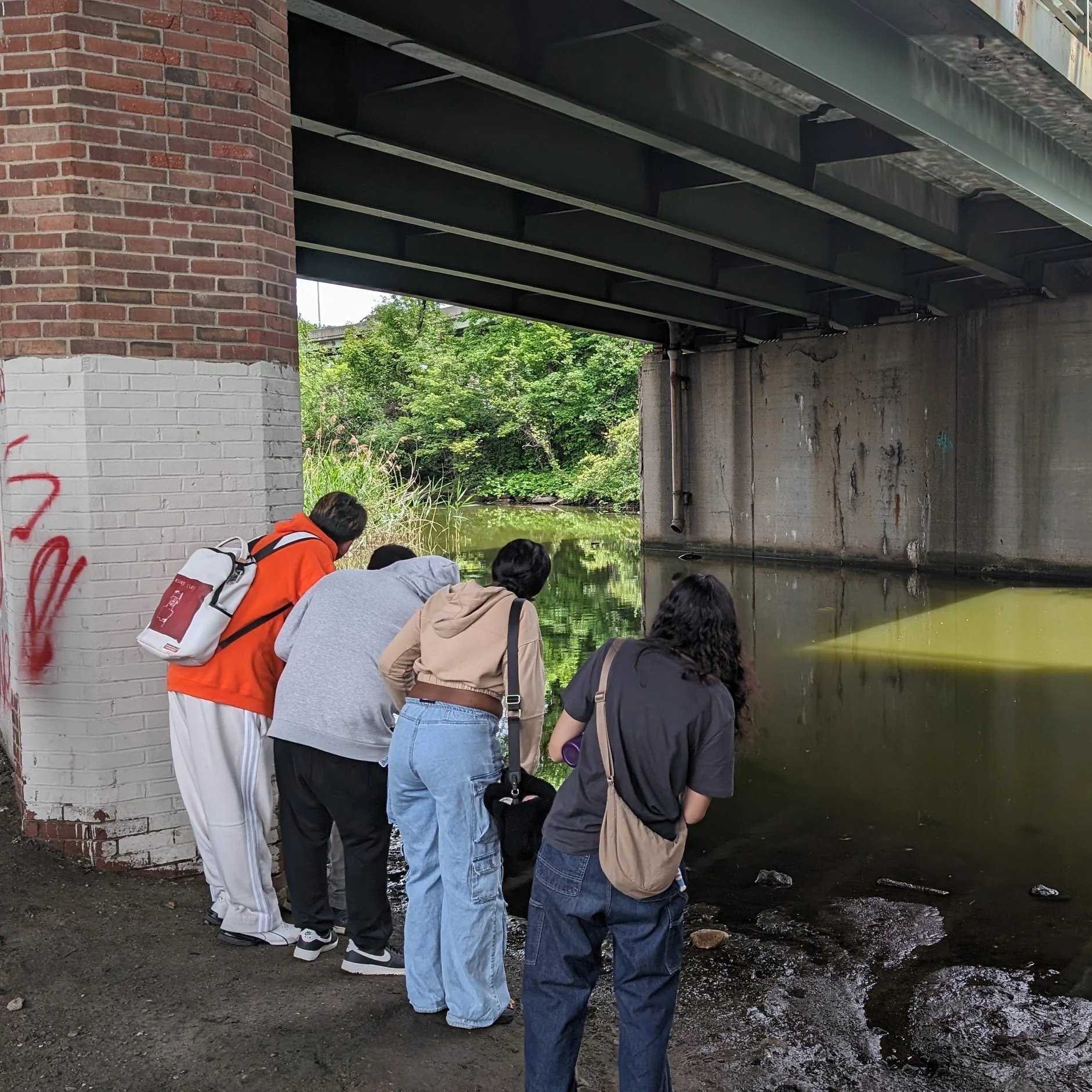
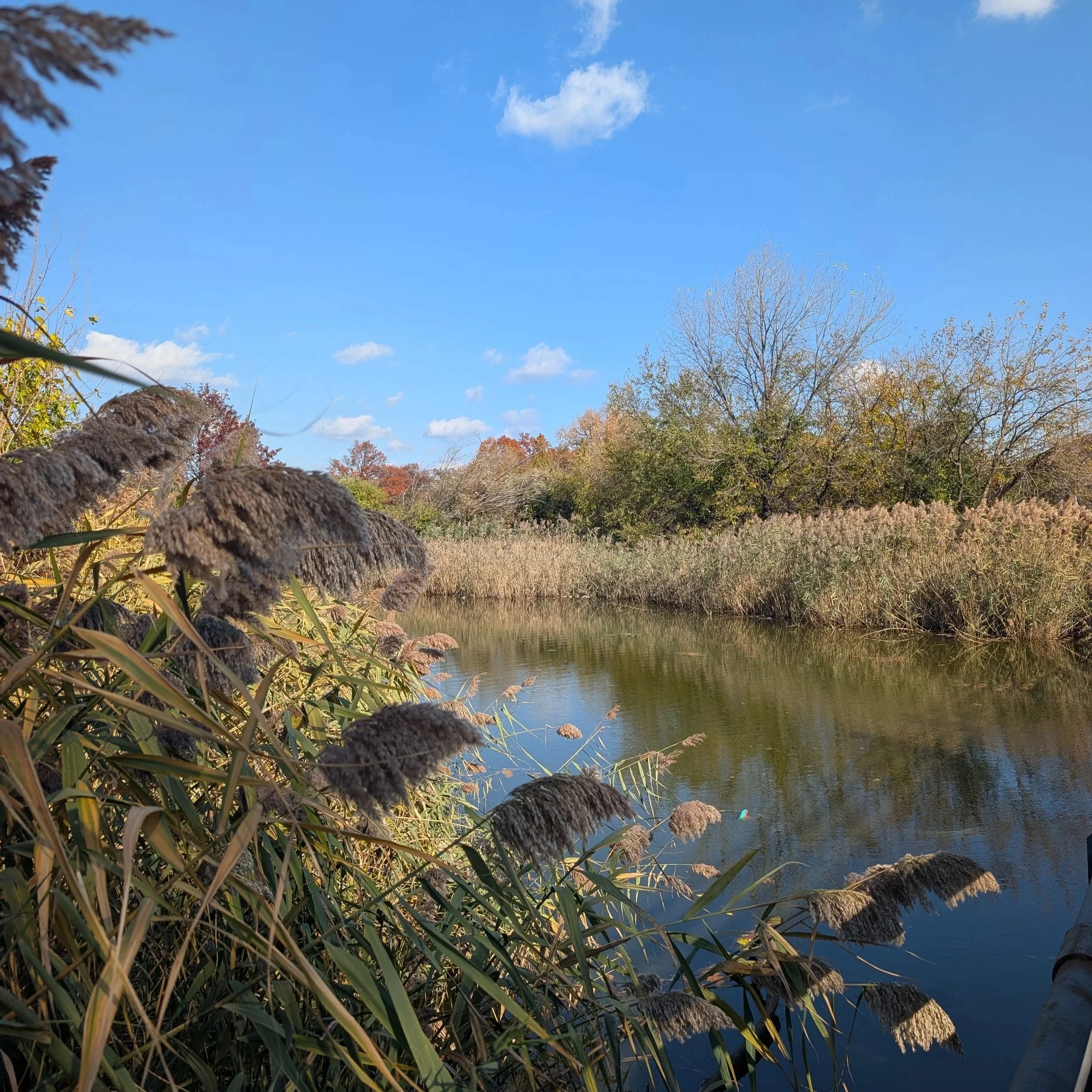
The majority of interviewees expressed a disjointed experience of Flushing Waterways, where individual water features are understood as separate water bodies and not part of a larger system. This was even true of some focus group members who had been connected to GoFB’s work for years. The Social Assessment found an opportunity for increased stewardship participation, where nearly all interviewees were not involved in stewardship groups and many were interested in such opportunities.
Perspectives on the climate crisis
Many interviewees indicated ambivalence toward climate effects in the park, whereas focus group participants expressed concerns about flooding, high heat, and poor air quality in the blue and green spaces they frequent.
Disinvestment in Flushing Waterways
Participants spoke of the need for more investment in Flushing Waterways, including improvements to safety, green infrastructure, and amenities. Building upon conversations around future investment, daylighting Flushing Creek was discussed as a modality for climate resilience and ecological connection to the park. Focus group participant reactions to daylighting plans revealed that potential designs must be evaluated based on their impact to park users, with the understanding that daylighting could cause disruptions to users and crucial park communities who rely on the park for recreation and connection.
For more on our methodology and discussion of our findings, read our white paper.

Keep in Touch
The best way to stay up to date on Guardians’ events and advocacy work is to sign up for our newsletter.